A ghost job is a job listing that stays publicly posted even though the company isn’t actively trying to fill it. The role may have been filled weeks ago, put on hold, or never really existed in the first place — but the listing keeps collecting applications that nobody will ever seriously review.
If you’ve ever applied to a posting that looked perfect and heard absolutely nothing back, there’s a real chance you weren’t rejected. You applied to a ghost.

The four types of ghost jobs
Not all ghost jobs are equally sinister. In practice they fall into four buckets:
1. The already-filled role. The most common type. The company hired someone, but the listing was syndicated to five job boards and nobody went back to take them all down. The company’s own career page usually gets cleaned up first; the job board copies linger for weeks.
2. The paused role. Budget got frozen, the team got reorganized, or the hiring manager left. The listing stays up “just in case” hiring resumes — but right now, nobody is reading applications.
3. The pipeline builder. Some companies keep evergreen listings open — especially for sales, support, and engineering roles — purely to collect CVs for the future. There is no current opening. Your application goes into a database, not a hiring process.
4. The never-real role. The rarest but most frustrating type: listings posted to make a company look like it’s growing, to satisfy investors, to benchmark salaries, or — in the case of some agencies — to harvest candidate details.
Why job boards make the problem worse
Ghost jobs concentrate on job boards for a structural reason: listings there are copies, not sources.
A job’s “source of truth” is the company’s own career page. That’s where the role is born, and that’s where it disappears first when hiring ends. Job boards work with syndicated copies — pulled in by feeds, reposted by agencies, duplicated across platforms — and those copies routinely outlive the real opening.
The result: the further a listing is from the company’s own website, the more likely it is to be a ghost.
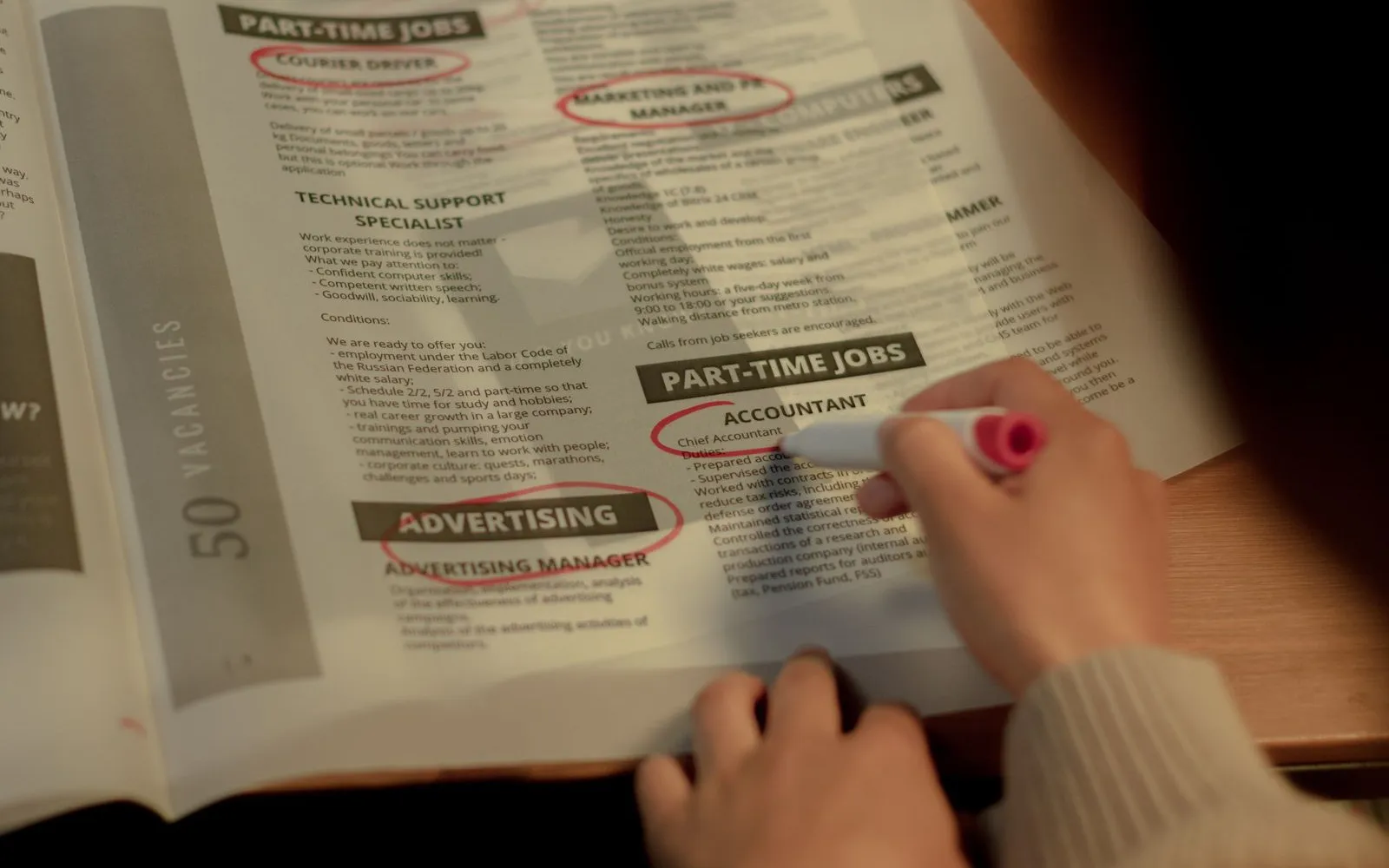
What ghost jobs cost you
The damage isn’t just one wasted application. Job seekers who don’t know about ghost jobs tend to:
- Misread the market. Dozens of silent rejections feel like “I’m not good enough” when the truth is “half of those listings weren’t real.”
- Burn time on tailoring. An hour spent customizing a CV for a role that was filled three weeks ago is an hour not spent on a live opening.
- Lose momentum. Application black holes are the #1 reason job seekers burn out and start spray-and-pray applying — which lowers response rates even further.
How to protect yourself
The full checklist deserves its own article — see how to spot a ghost job — but the core rules are:
- Verify at the source. Before applying anywhere, find the role on the company’s own career page. Not there? Treat the listing as dead.
- Check the posting age. Past 30 days, odds of a ghost rise sharply.
- Prefer roles that are fresh. Applying within the first days of a posting going live is when your application actually gets read — being early is worth more than a perfect CV.
- Understand the incentives. Knowing why companies post ghost jobs makes them much easier to recognize.
The structural fix
You can’t fix job boards, but you can stop relying on them — and it’s worth asking whether they’re worth it at all. Roles pulled directly from company career pages carry a built-in guarantee: when the company stops hiring, the listing disappears. That’s exactly how RoleFinder works — we scan thousands of career pages daily, add roles when companies post them, and remove them the moment they’re taken down. Every listing you see is one the company itself still considers open.